Disclaimer
Please Note: I am a writer, not a mental health professional. The content below is for educational and informational purposes only based on general psychological observations. It is not intended to diagnose Narcissistic Personality Disorder (NPD) or substitute professional medical advice. If you are struggling with a toxic relationship or mental health issues, please consult a licensed therapist.
Introduction: The Charm and The Chaos
We’ve all met them. The person who lights up the room the moment they walk in. They are charismatic, confident, and seem to have an answer for everything. You might find yourself drawn to their orbit, feeling lucky just to be noticed by them.
But then, something shifts. The confidence turns into arrogance. The charm turns into manipulation. And you’re left wondering: Is it me? Am I the problem?
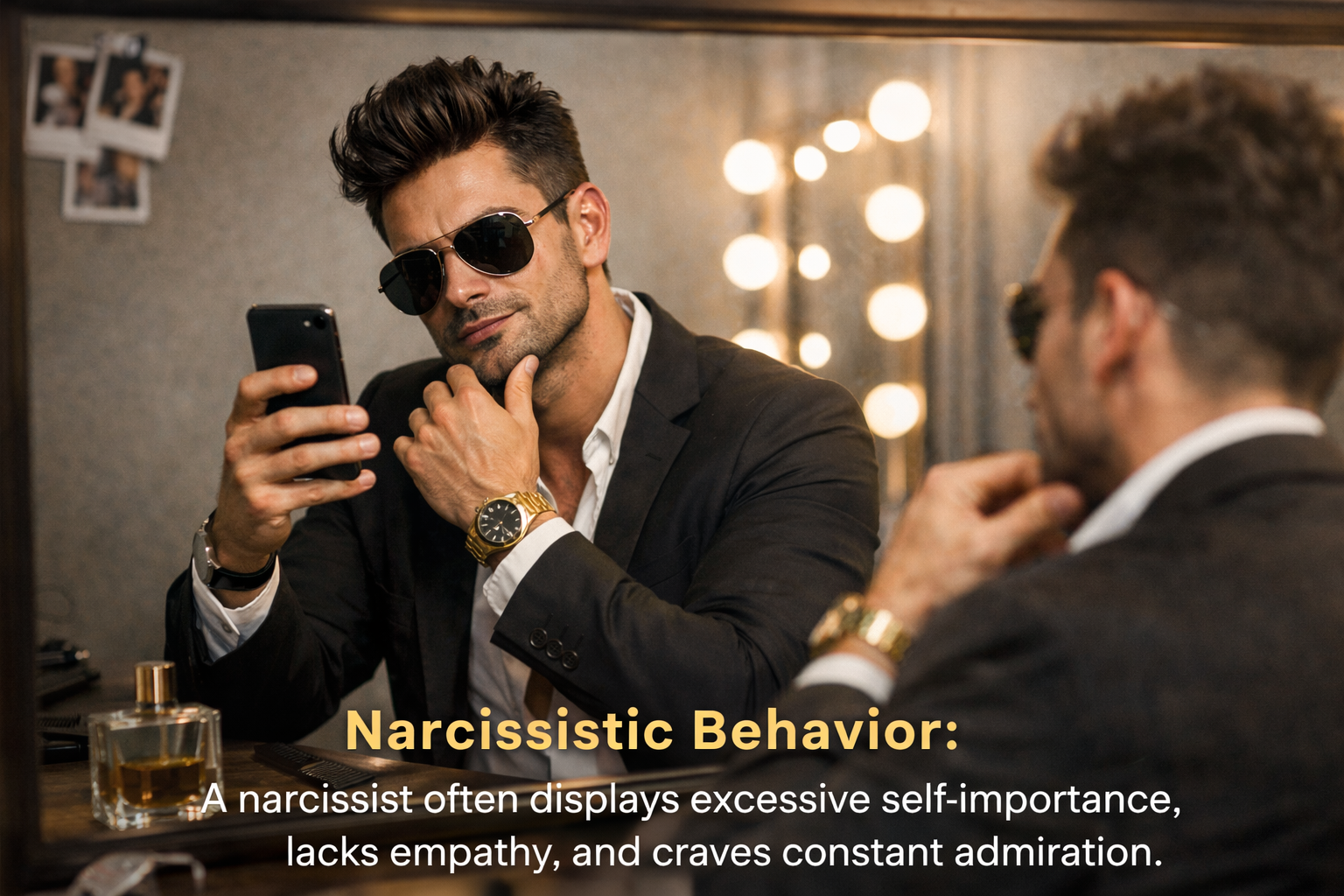
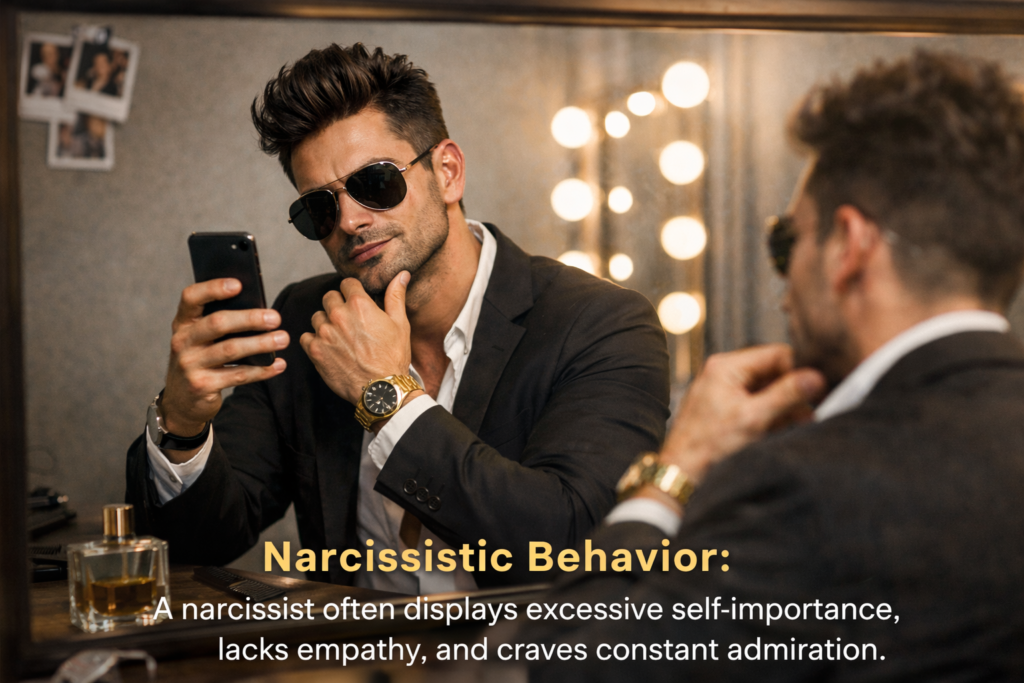
Narcissism is one of the most misunderstood personality traits. It isn’t just about taking too many selfies or loving the sound of one’s own voice. It is a complex psychological pattern that affects everyone around the narcissist—partners, children, employees, and friends. Let’s peel back the layers and look at the reality of dealing with a narcissist, regardless of their gender.
The “Good” Habits: The Hook
If narcissists were 100% terrible all the time, no one would ever date them, hire them, or befriend them. The truth is, they possess traits that society often rewards and that we, as humans, find incredibly attractive.
- The Super-Charmer: Narcissists are often masters of first impressions. They know exactly how to mirror your energy, making you feel like you’ve known them for years. They are often funny, engaging, and excellent storytellers.
- Decisive Leadership: Because they rarely doubt themselves, they make decisions quickly. In a crisis, they often look like the strongest person in the room. They project a sense of certainty that can be very comforting if you are an indecisive person.
- Ambition and Drive: Driven by a deep need for status and admiration, they often work hard to achieve high positions. They are often successful, well-dressed, and seem to “have it all.”
The Bad Habits: The Red Flags
The “good” traits are usually just the bait. Once you are emotionally invested, the mask begins to slip, revealing the more destructive patterns underneath.
- The Empathy Deficit
This is the hallmark of narcissism. They can intellectually understand that you are sad, but they cannot feel it. If you tell them you’re having a bad day, they might change the subject to something about themselves within seconds. Your pain is an inconvenience to them.- Gaslighting
This is a form of psychological manipulation where they make you question your own sanity.
- “I never said that. You’re imagining things.”
- “You’re too sensitive. You can’t take a joke.”
Over time, you stop trusting your own memory and start relying on their version of reality.
- Failure to Accept Responsibility
Nothing is ever their fault. If they are late, it’s because of the traffic. If they lose a job, it’s because the boss was jealous. They are the eternal victim or the eternal hero, but never the villain.
The Relationship Cycle
Whether it’s a romantic partner or a close friend, relationships with narcissists tend to follow a specific, heartbreaking timeline.
Phase 1: Love Bombing (The Idealization)
In the beginning, it feels like a fairy tale. They text you constantly, buy you thoughtful gifts, and tell you that you are the best thing that ever happened to them. They put you on a pedestal. This phase creates a powerful chemical addiction in your brain.
Phase 2: The Devaluation
Once they know they “have” you, the effort stops. The pedestal starts to shake. They start dropping subtle insults or comparing you to others. You start working harder and harder to get back to that “Phase 1” feeling, but it remains just out of reach.
Phase 3: The Discard
When you are no longer useful to them—or if you dare to stand up for yourself—they discard you. This can be brutal and sudden. They might end a long-term relationship without a second thought, often moving on to a new “supply” (a new partner) immediately.
How to Protect Your Peace
Realizing you are dealing with a narcissist is painful, but it is also the first step toward freedom.
- Observe, Don’t Absorb: Imagine you are a scientist observing a subject. When they throw a tantrum or try to guilt-trip you, view it as data, not a reflection of your worth.
- Set Iron-Clad Boundaries: They will test your limits. You must be firm. “I will not continue this conversation if you scream at me” is a complete sentence.
- Stop Trying to “Fix” Them: You cannot love them into changing. Their behavior is a deep-rooted personality structure, not a temporary mood.
Final Thoughts
Narcissists are often deeply insecure people hiding behind a wall of grandiosity. While you can have compassion for their internal struggle, you are not required to set yourself on fire to keep them warm. Recognize the signs, trust your gut, and prioritize your own emotional safety.
About the Author