
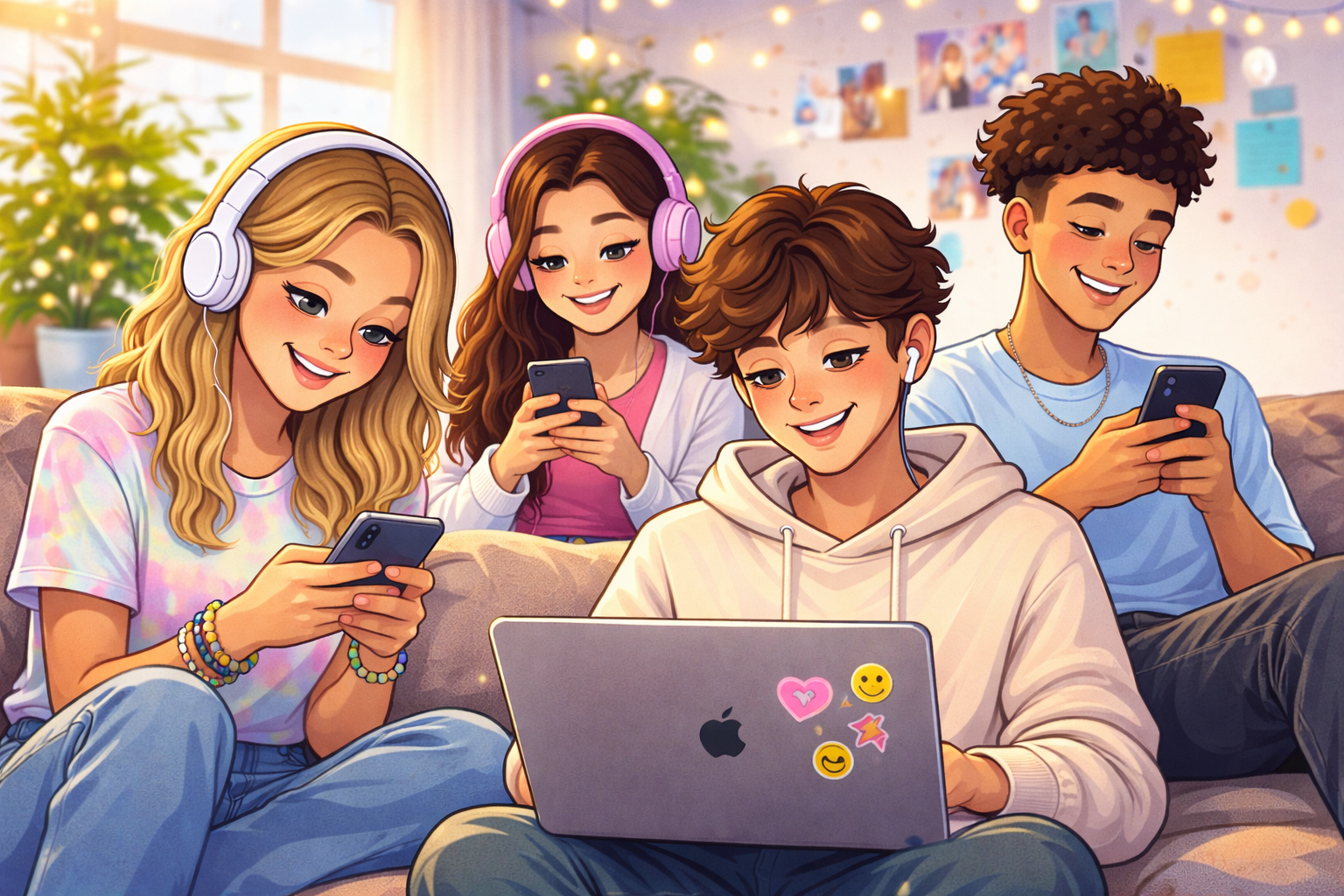
Generation Z is the first generation to truly grow up online. From early childhood, the internet wasn’t something they discovered later in life — it was already there, woven into daily routines, education, friendships, and self-expression. Wi-Fi, smartphones, social media, and instant access to information shaped how Gen Z thinks, communicates, learns, and even understands themselves.
To older generations, this level of digital immersion can seem overwhelming or even harmful. But for Gen Z, the internet is not just a tool; it’s a cultural environment. It influenced their values, emotional awareness, creativity, and worldview in ways no previous generation experienced.
This blog explores how growing up online shaped Gen Z — the benefits, the challenges, and what it means for the future.
A Childhood Connected to the Internet
Unlike Millennials, who remember a time before smartphones and social media, Gen Z grew up with screens as a normal part of life. Many learned to swipe before they learned to write. Educational videos, online games, and digital classrooms were common experiences from a young age.
The internet became:
- A learning space
- A playground
- A social circle
- A source of entertainment
- A place for self-discovery
This constant connectivity changed how Gen Z processes information. They are fast learners, visually oriented, and comfortable multitasking across platforms. The ability to find answers instantly shaped a generation that values access over memorization.
Social Media as a Social World
For Gen Z, social media is not separate from real life — it is part of real life.
Platforms like Instagram, TikTok, YouTube, and messaging apps became:
- Places to form friendships
- Spaces to express identity
- Tools for communication and creativity
Instead of phone calls or long emails, Gen Z communicates through:
- Short messages
- Emojis and memes
- Voice notes and videos
This digital language created a shared culture that crosses borders. A trend, joke, or social movement can spread globally within hours, making Gen Z more connected to people worldwide than any generation before.
Identity Formation in the Digital Age
Growing up online meant Gen Z explored identity publicly.
They learned about:
- Gender and sexuality
- Mental health
- Cultural differences
- Personal boundaries
The internet gave them language for feelings and experiences they might not have understood otherwise. Many Gen Z individuals found communities online that made them feel seen and accepted — especially those who felt misunderstood in their offline environments.
This exposure helped Gen Z:
- Question traditional norms
- Accept diversity
- Embrace authenticity
However, forming identity online also brought pressure — to fit in, to perform, and to be constantly visible.
Emotional Awareness and Mental Health Conversations
One of the most significant ways the internet shaped Gen Z is through mental health awareness.
Online content normalized conversations about:
- Anxiety and depression
- Burnout and emotional exhaustion
- Therapy and healing
- Trauma and self-care
Gen Z didn’t grow up being told to “just be strong.” Instead, they learned that emotions are valid and worth understanding. Seeing others share struggles helped reduce stigma and encouraged openness.
At the same time, constant exposure to emotional content can be overwhelming. Gen Z often feels deeply — both the good and the bad — because they consume emotional stories daily.
The Double-Edged Sword of Comparison
While the internet connected Gen Z, it also introduced intense comparison.
Social media presents:
- Curated lives
- Highlight reels
- Unrealistic standards of success, beauty, and happiness
Growing up with these images can lead to:
- Self-doubt
- Low self-esteem
- Pressure to achieve early
Gen Z is highly aware of this problem — which is why many actively talk about digital detoxes, unfollowing harmful content, and setting online boundaries. They are learning, often through experience, that comparison steals peace.
Education Beyond the Classroom
The internet transformed how Gen Z learns.
They didn’t rely solely on textbooks or teachers. Instead, they learned from:
- Online tutorials
- Educational videos
- Podcasts
- Digital communities
This self-directed learning made Gen Z:
- Resourceful
- Curious
- Adaptable
They are used to learning new skills quickly — from editing videos to building online businesses — often without formal instruction. This independence changed how they view education and careers.
Creativity and Self-Expression Online
Gen Z grew up watching creators turn hobbies into careers.
The internet gave them tools to:
- Create content
- Share opinions
- Build personal brands
- Monetize creativity
Art, music, writing, fashion, and storytelling found new platforms online. Gen Z learned that creativity doesn’t need permission — it needs connection.
This environment encouraged experimentation and self-expression, allowing individuals to explore who they are without waiting for traditional validation.
Activism in the Digital Age
Growing up online also shaped Gen Z’s relationship with social issues.
They witnessed:
- Global movements
- Social justice conversations
- Political debates
The internet made information accessible and amplified voices that were once ignored. Gen Z learned early that they could speak up, share resources, and influence change — even from a phone screen.
While online activism has its limits, it fostered awareness and empathy, encouraging Gen Z to care about issues beyond their immediate environment.
Short Attention, Deep Awareness
A common criticism is that Gen Z has a short attention span. In reality, their attention is selective.
They grew up consuming fast content, which trained them to:
- Filter information quickly
- Skip what doesn’t resonate
- Focus deeply on what matters to them
They may scroll past dozens of posts but engage deeply with content that feels authentic or meaningful. This selective attention is a survival skill in an information-heavy world.
Relationships in an Online World
The internet reshaped how Gen Z builds relationships.
They value:
- Emotional honesty
- Open communication
- Boundaries
Online conversations often go deep quickly. People share feelings, thoughts, and vulnerabilities early, creating emotional closeness. However, digital relationships can also feel fragile, with misunderstandings happening easily through screens.
Gen Z is learning how to balance online connection with offline presence — a skill still evolving.
The Need for Balance
As Gen Z grows older, many are reevaluating their relationship with the internet.
They are becoming more intentional about:
- Screen time
- Mental health
- Offline experiences
Digital detoxes, mindfulness, and slow living trends are popular because Gen Z understands the cost of constant connection. Growing up online taught them both the power and the limits of the internet.
How Growing Up Online Shaped Gen Z Values
The internet shaped Gen Z to value:
- Freedom and flexibility
- Emotional well-being
- Authenticity
- Diversity and inclusion
- Self-expression
They are less attached to traditional paths and more open to change. They understand that the world is complex and interconnected — because they’ve seen it online every day.
Final Thoughts
Growing up online shaped Gen Z in profound ways. It gave them access to knowledge, connection, and expression like never before. It also challenged their mental health, attention, and sense of self.
Gen Z is not defined by screens — they are defined by how they learned to navigate a digital world with awareness, creativity, and empathy. As they move into leadership and adulthood, their online upbringing will continue to influence how society communicates, works, and connects.
The internet didn’t just raise Gen Z —
it taught them how to question, feel, and imagine a different future.
About the Author